
The future of electric vehicle charging with Visa
The future of electric vehicle charging with Visa
Providing innovative payment solutions to support growth in sustainable transportation.

How is your world going to change?
How is your world going to change?
Charge where you park
EFFICIENT OPTIONS Charge where you park
Make it a day trip. Plug in to a public charging station attached to a parking spot. You will have plenty of time to grab coffee and run errands.


Pay even faster
INNOVATIVE SOLUTIONS Pay even faster
Pay with a tap or without even pulling out your wallet. Let’s get you where you want to go, faster.
See the rewards
CARDHOLDER ADVANTAGES See the rewards
Banks are adding rewards and offers for electric charging transactions. In other words, going electric can pay.
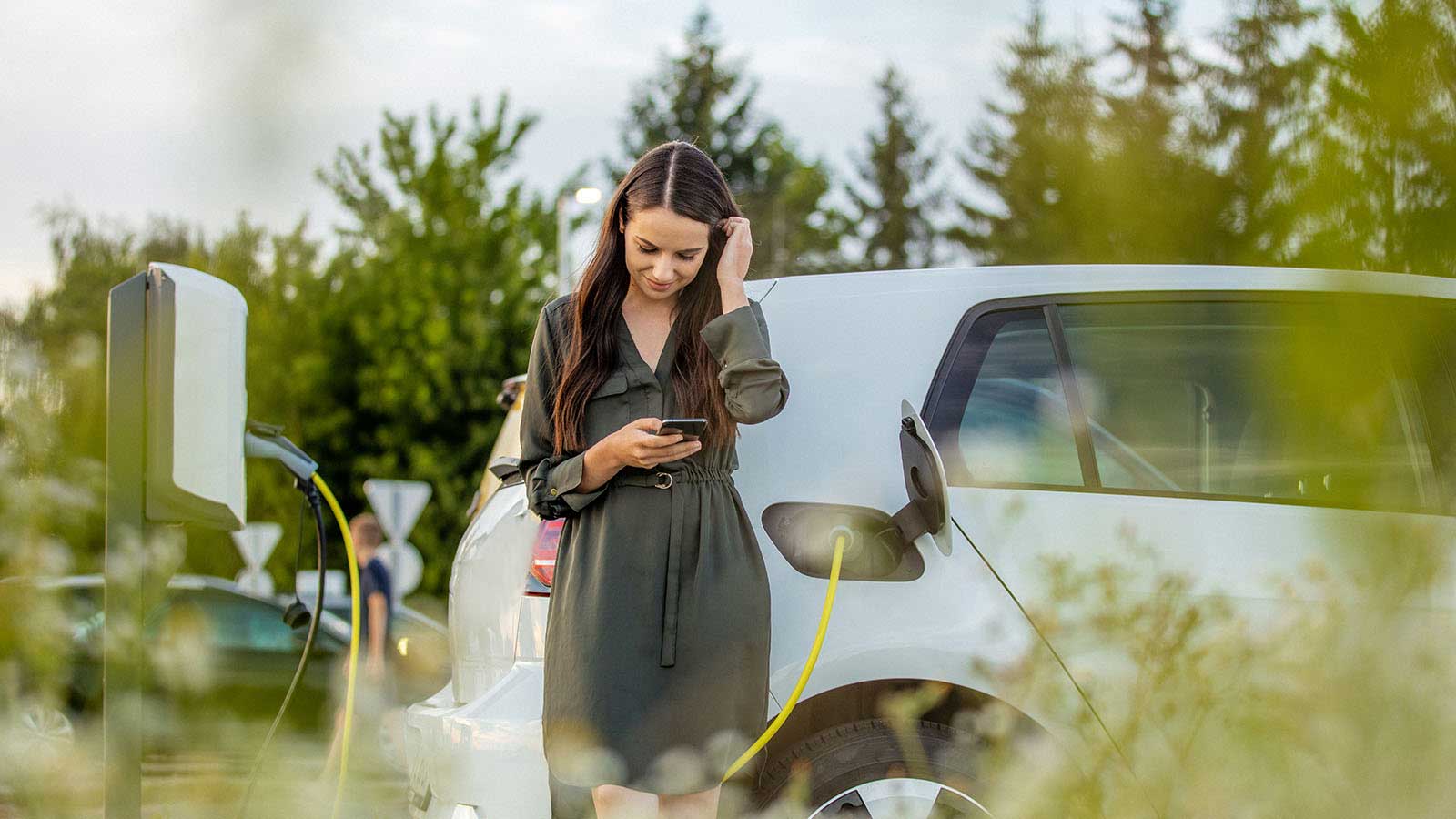
What electric vehicle owners need to know
What electric vehicle owners need to know
Expect to see more public chargers
In many regions, there still are not enough public charging stations to meet demand. Yet opportunities for charging away from home are growing: hundreds of thousands of public charging ports have appeared globally, and the charging market is expected to multiply by seven over the next decade.
Be ready for multiple types of payment methods
Electric vehicle owners should expect to encounter a range of charging payment methods. You may be able to pay with contactless cards at one station and generate payment through an RFID tag or phone app at another. Visa is currently working to better standardise and simplify payments at charging stations.
Use locator apps to plan your journey
Where are the charging stations along your route? How quickly can you charge? How many kWh will you need? Depending on several factors, charging can take a few minutes—or a few hours. Locator apps can help you find information about nearby stations, including hours of operation, nearby amenities, the number of ports available and how fast the ports can charge.
Electric vehicles in the spotlight
Electric vehicles in the spotlight
Market value $26B The electric vehicle charging market is now valued at $26 billion. The electric vehicle market as a whole is expected to reach a $7 trillion valuation by 2030.
Industry pledge 100% Top automakers such as Ford, General Motors and Volvo pledged at the Glasgow climate summit to go 100 percent emission-free by the year 2040.
Charging companies 300 There are now more than 30 different car companies selling electric vehicles, and 300 companies offering electric vehicle charging worldwide.
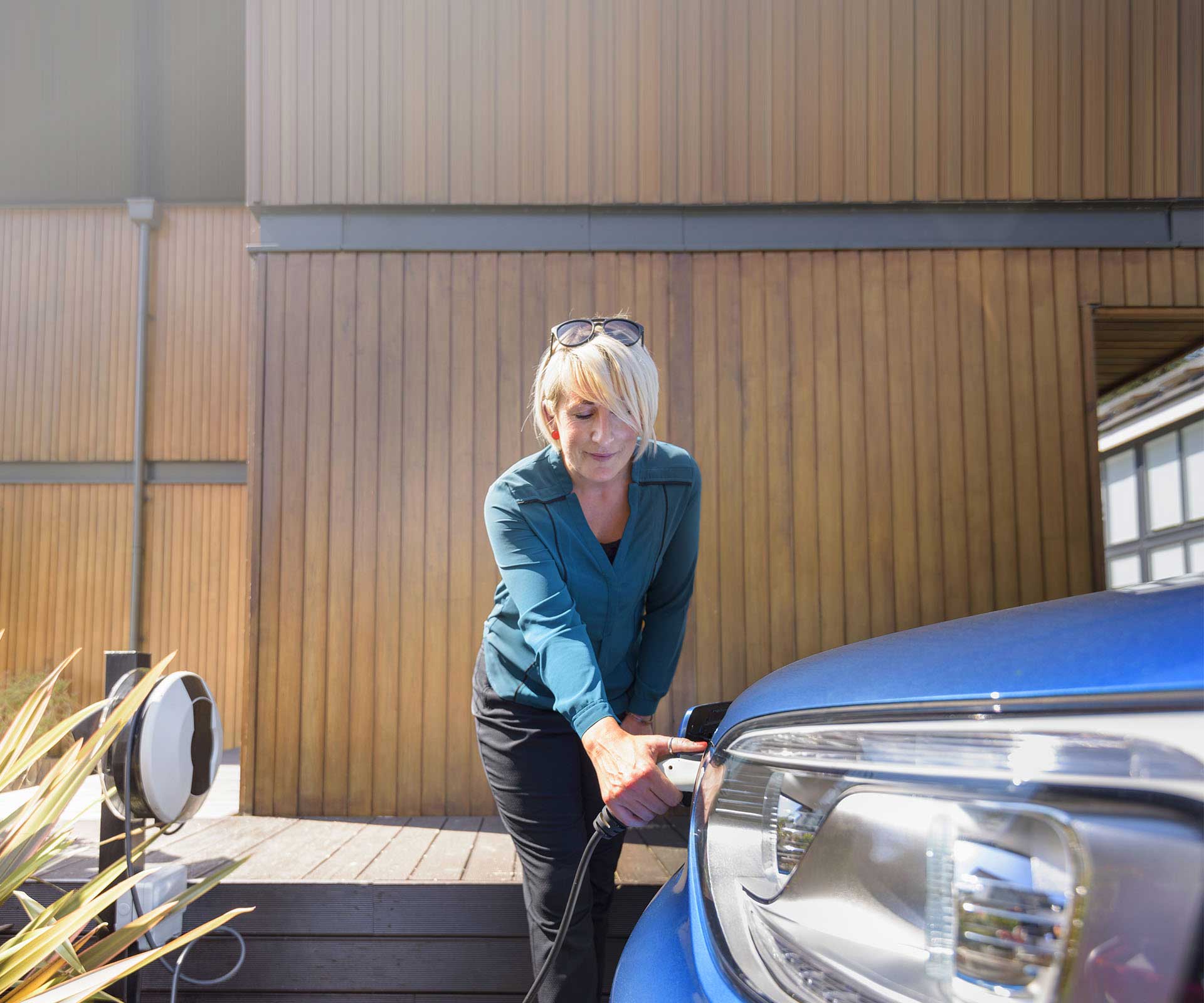
What merchants need to know
What merchants need to know
Deploy a payment terminal
A terminal that accepts Visa ensures that any driver can charge at your station. Contactless payment solutions are particularly attractive options, and they are growing in popularity in part because they cost less to implement and preferred by cardholders.
Understanding of digital payment solutions
Merchants may need to offer digital solutions, such as mobile app payments, at charging stations. These solutions usually require downloading an app or carrying a special tag to make payment. Charging operators with digital solutions should consider adding card-present (e.g. tap to pay) solutions, which foster interoperability and easy payment for a customer who may not have access to an app or tag or have challenges connecting.
Use the correct merchant category code (MCC)
All public charging stations must be classified with MCC 5552 under Visa’s rules. Banks offer fuel and other rewards based on MCC, so using the right code is better for customers and can reduce customer service calls. Under these rules, merchants also offering parking services are permitted to use the MCC that represents the highest sales volume of their business. However, coding sales from charging and parking separately is an even better solution.
Provide a transparent checkout experience
Merchants can pick from several authorisation models when obtaining approval from banks for electric charging transactions. These models are different from those used by petrol fuel stations.
There are two common models used for electric charging transactions. The first involves estimating a “best-guess” amount and truing up to the final amount later. The second involves using a known amount that is either (a) preselected by the customer or (b) determined by sending authorisation for the exact amount after the charging session has finished.
If using an estimate (per the first model), Visa recommends that merchants communicate that estimate to customers and assure them that any over-authorization will be reversed. For more questions about authorisation best practices, contact your acquirer.
Note: European merchants may need to give authorisation models additional consideration to ensure compliance with strong customer authentication (SCA) rules.