
The power of choice
The power of choice
One of the biggest concerns for drivers considering the switch to EVs is the ease of charging publicly. The EV charging market is currently saturated with multiple payments services and charging point operators (CPOs), which often means consumers get an inconsistent experience and may not even be able to charge. By enabling CPOs to accept multiple payment types, in addition to their proprietary options, Visa removes one of the key barriers consumers face when deciding to switch to an EV.
Complementary solutions
Complementary solutions
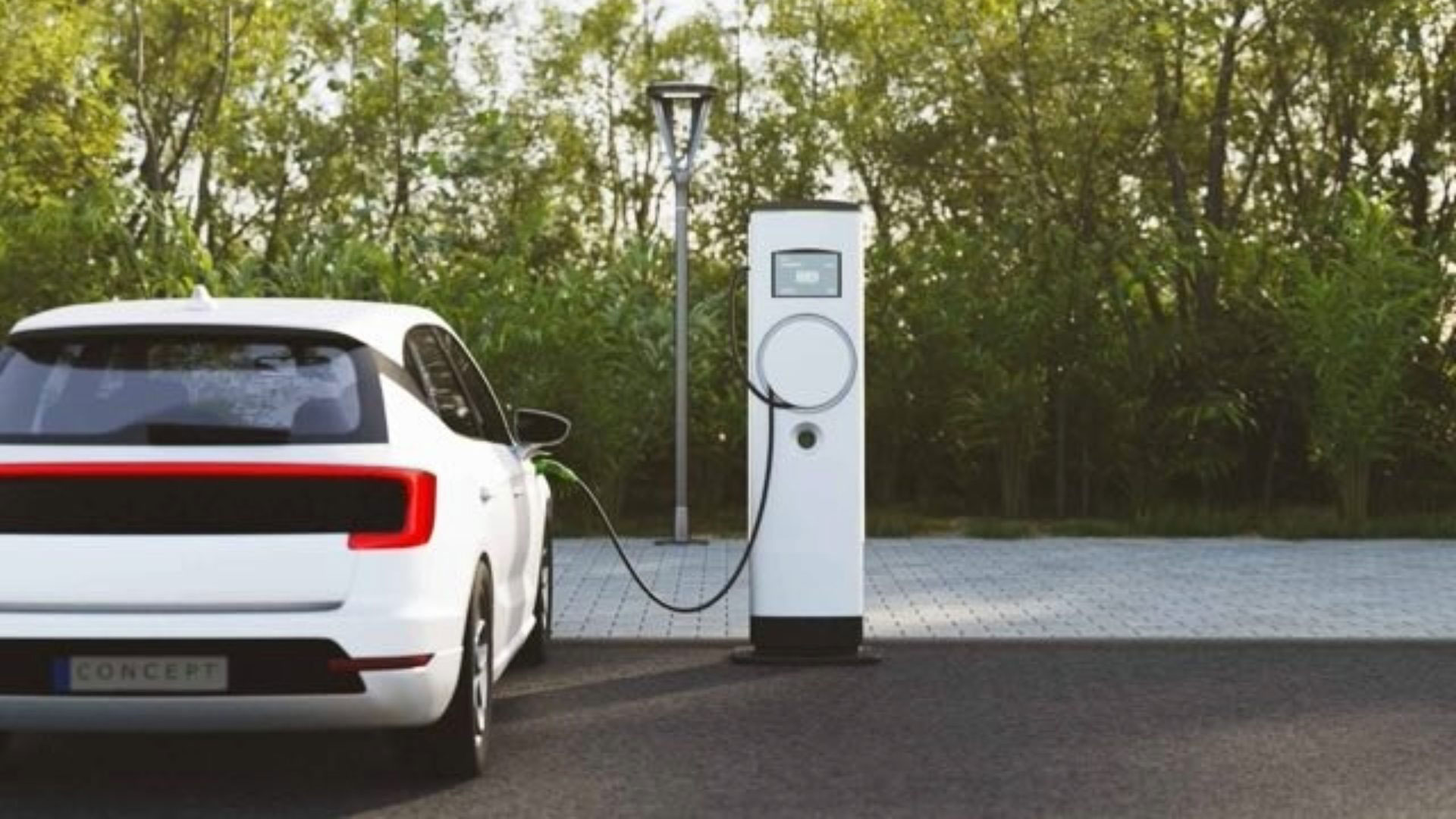
Whether it’s for slow or fast charging, EV owners will have the choice to use multiple payment options.
EV charging payment solutions
EV charging payment solutions
Open-payment and closed loop models
Open-payment and closed loop models
The use of electric vehicles (EVs) is growing rapidly, and as charging infrastructure grows to meet demand, the EV charging payment experience varies greatly. There are two common models for Electric Vehicle charging, open-payments and closed loop. Visa supports both and recommends open-payments, which benefits all players in the Electric Vehicle charging payments landscape by providing consumers with a frictionless experience and charge point operators with cost-efficient interoperability. The open-payments model provides a ubiquitous solution that anyone can use.
The benefits of open-payments
Card-present open-payment model may help provide a seamless experience for Electric Vehicle owners, where they can use their Visa debit or credit card or digital wallet to pay for EV charging. Moreover, open-payment model helps promote interoperability and allows consumers to use their Visa debit or credit card at Electric Vehicle charging points with the same confidence or convenience as for any other purchase.
Whether its Visa full acceptance (terminal that includes magstripe, chip terminals and contactless) or Visa Contactless-only (terminal has contactless device only*), these models help simplify Electric Vehicle charging payments.
Learn more about visa electric vehicle charging
Learn more about visa electric vehicle charging
Sources/Footnotes/Disclaimer
*Alternative payment option must be available for cardholders without contactless card (e.g., mobile app).